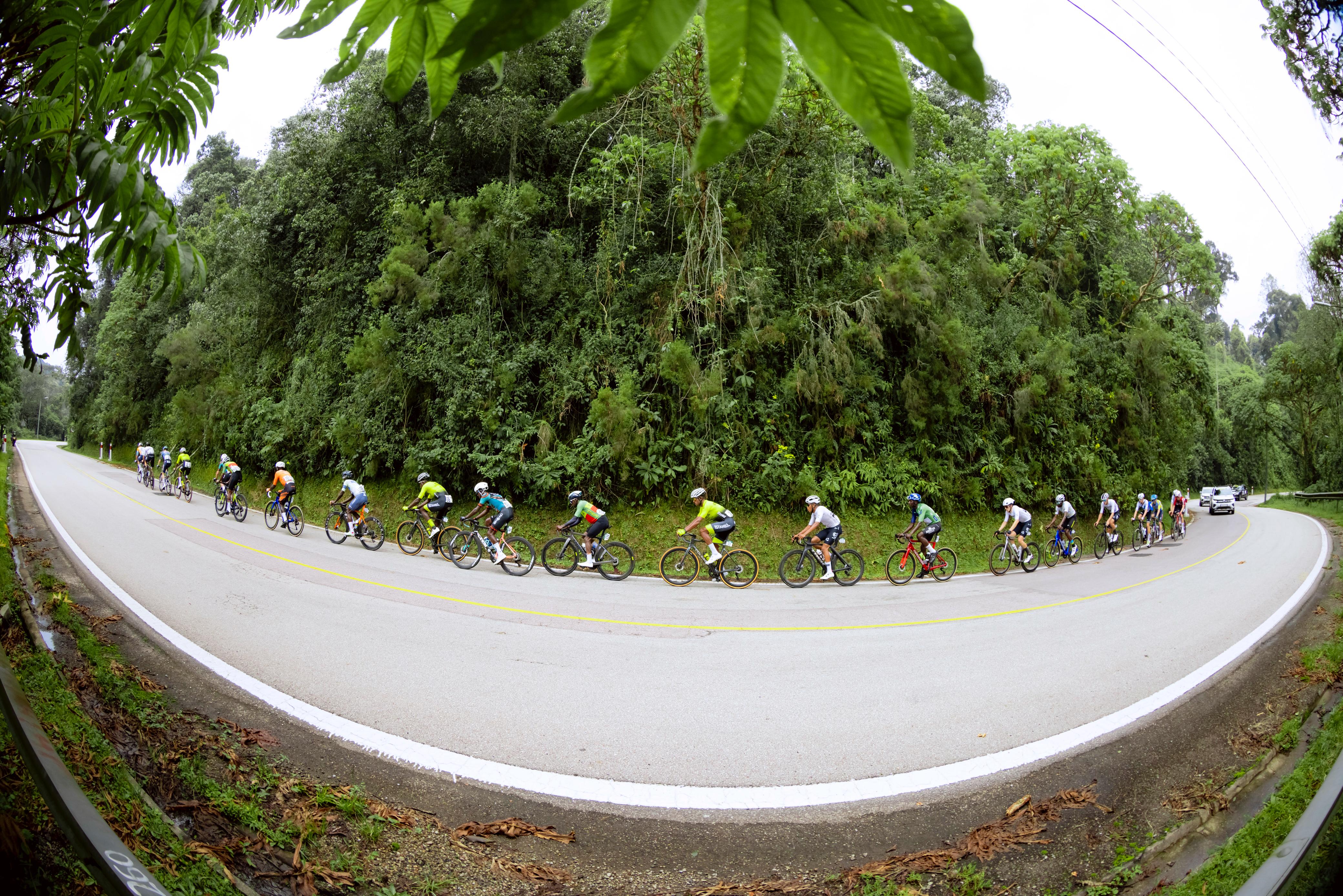
The Tour du Rwanda 2026 is currently rolling across the “Land of a Thousand Hills”, and while on paper it’s a UCI 2.1 cycling race, to anyone standing on the roadside, it feels more like a national carnival.
Now in its 18th edition as an international event, the Tour has grown from a local race into one of Africa’s premier cycling competitions. Following the massive success of the historic 2025 World Championships held right here in Rwanda, this year’s Tour feels like a victory lap for an entire continent.
Here is why this race is so much more than just a bike ride.
1. The “Mur de Kigali” is our colosseum
In European cycling, fans talk about the cobbled climbs of Flanders. In Rwanda, the Mur de Kigali demands the same awe. This steep, cobblestone climb winds through the lively streets of Nyamirambo, where the energy of the crowd meets the grit of the riders.
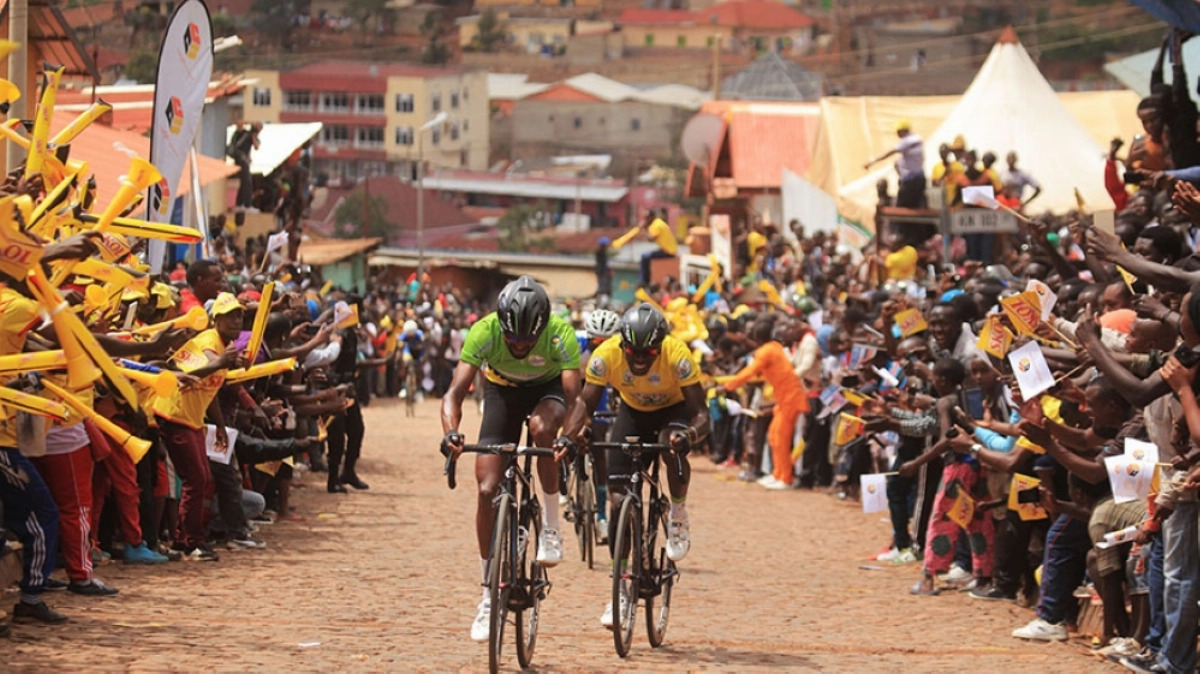
Streets packed with cheering spectators transform each pedal stroke into a test of endurance, courage, and sheer will. When a Rwandan rider leads up “The Wall,” the roar of the crowd echoes across the surrounding hills.
Thousands of fans line the streets, standing along sidewalks, slopes, and open areas near the climb. You’ll see grandmothers cheering next to teenagers, all drawn together by the sight of elite athletes powering up a 12% incline.
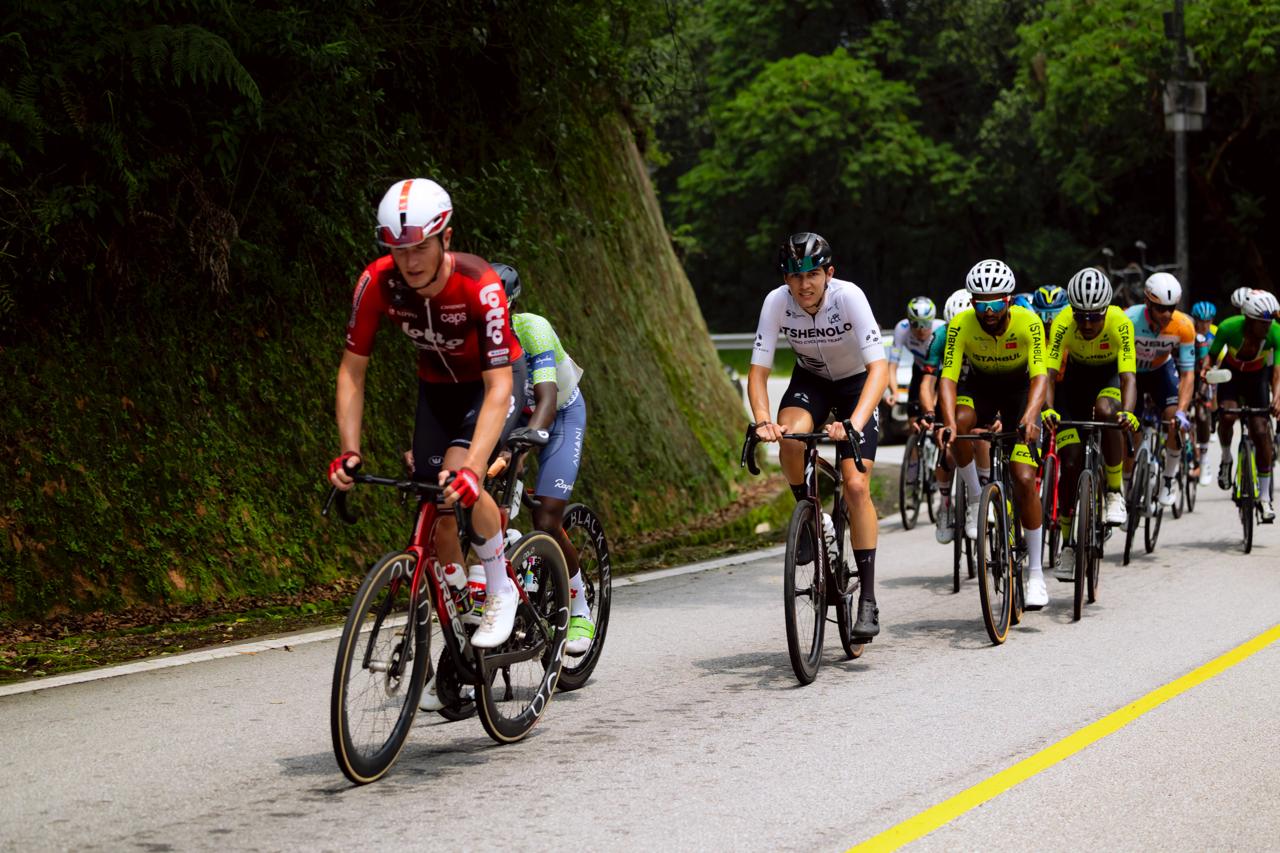
When the peloton powers up the Mur de Kigali, the cheers ripple across the surrounding hills, filling the neighborhood with energy and excitement. Fans clap, wave, and call out encouragement as riders tackle the steep climb, making the moment feel like a shared celebration of effort and endurance.
2. A “stadium” without walls
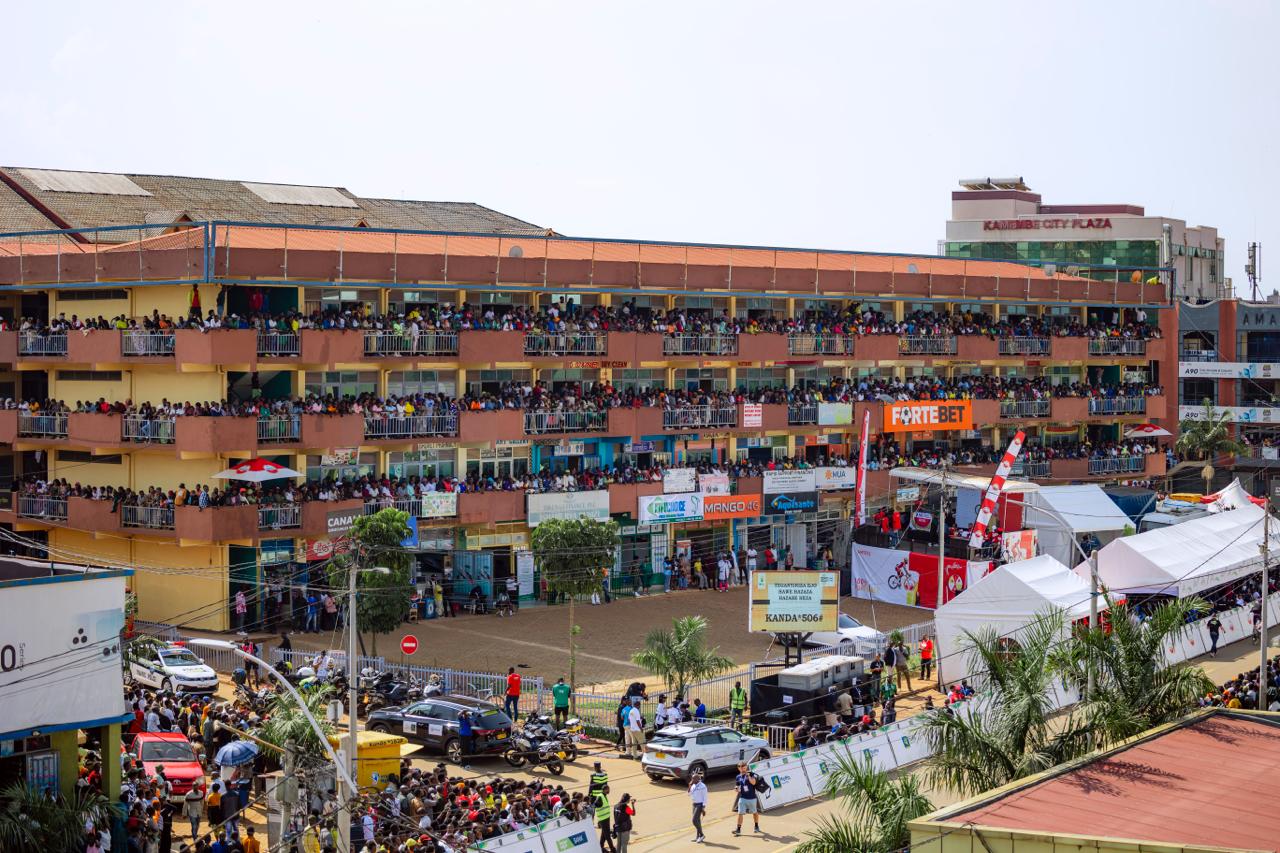
Most sports require a ticket and a seat. The Tour du Rwanda requires a front porch and a pair of lungs.
Because the 2026 route stretches across nearly 1,000 kilometres of the country, from the rolling highlands of northern Rwanda to the palm-fringed shores of Lake Kivu, it brings the spectacle to the people. It’s estimated that over 2 million people line the roads.
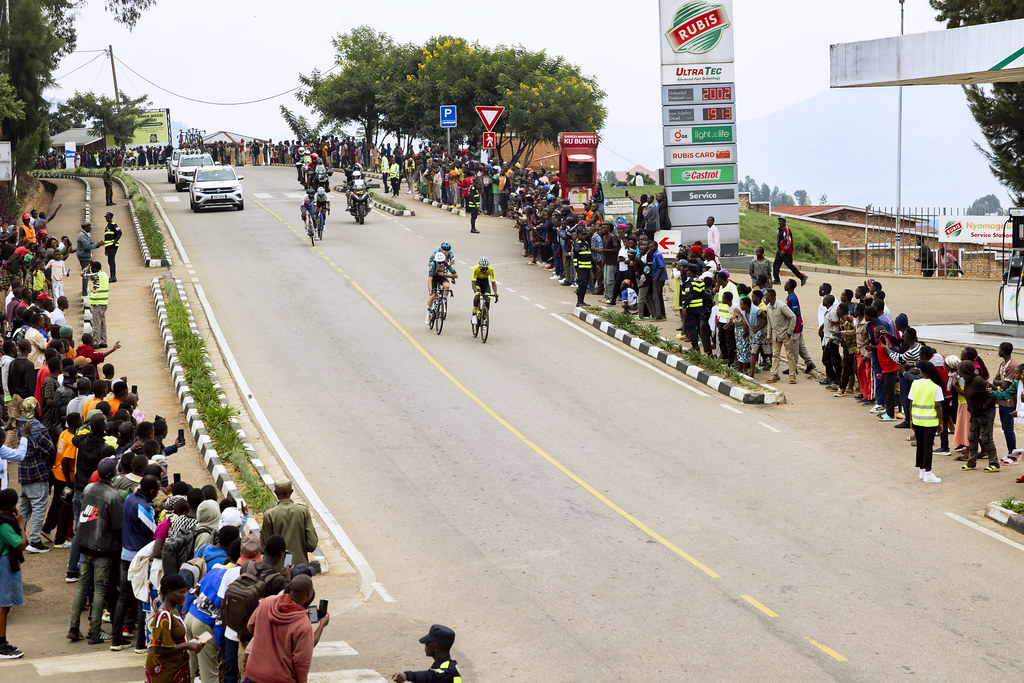
For a few minutes, every village becomes the centre of the world. Rural farmers and urban residents alike watch the same drama unfold as the peloton passes by, united in the excitement of the race.
3. Cycling is part of life in Rwanda
To understand why Rwandans love this race, you have to look at the “abanyonzi” taxi-velo riders. In Rwanda, the bicycle isn’t just for fitness; it’s a lifeline.
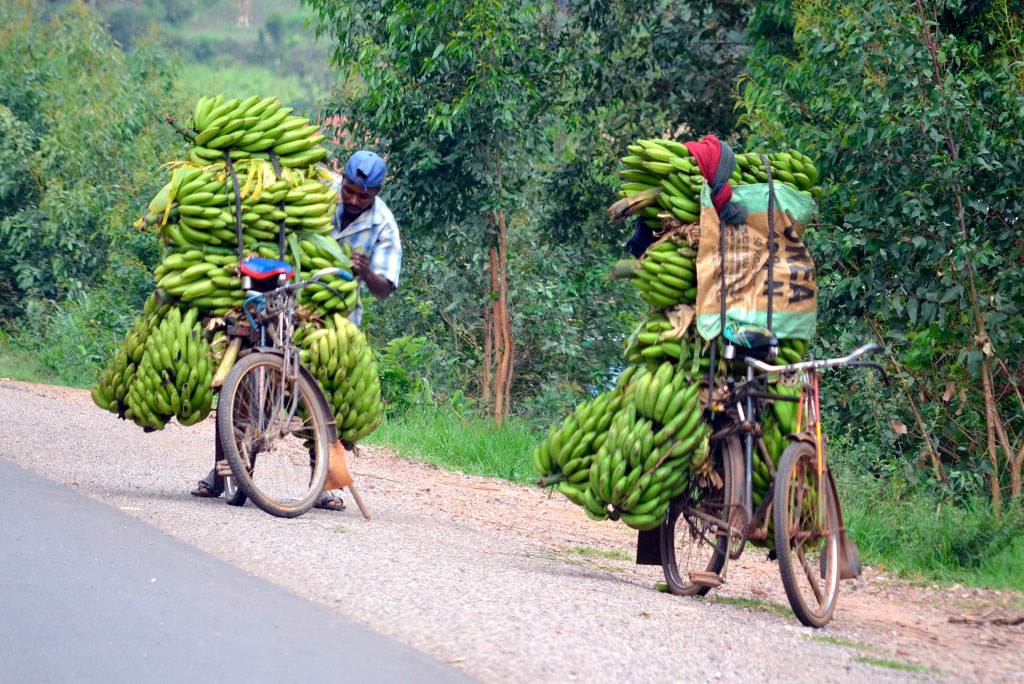
Every day, thousands of Rwandans use bikes to transport massive loads of ibitoke (green bananas), heavy milk jugs, or charcoal across impossible inclines. There is a deep, cultural respect for anyone who can conquer a hill on two wheels.
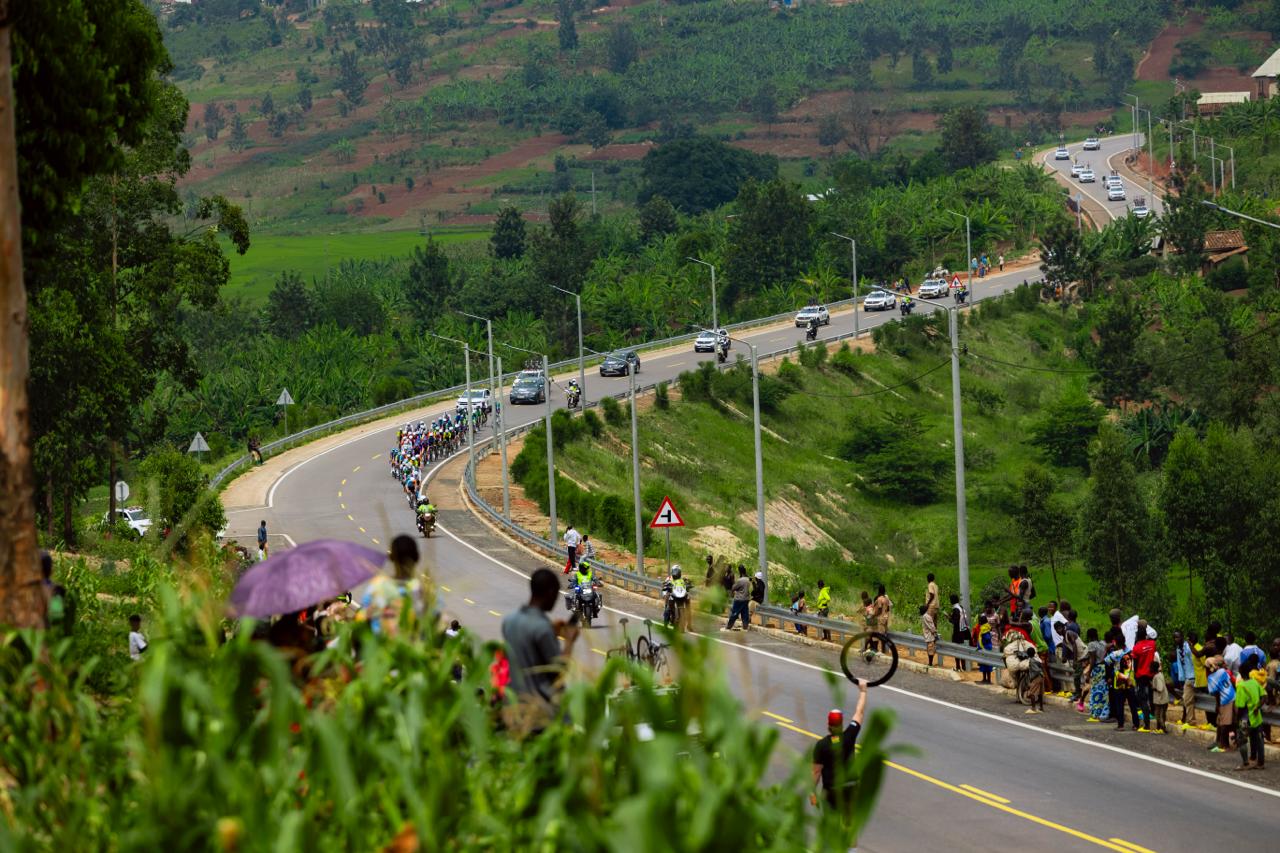
When locals watch a pro athlete fly up a mountain that they usually struggle to climb with a load of crops, there is an instant, visceral connection. It’s a celebration of the hustle that defines Rwandan rural life.
4. A high-def tour of the “new Rwanda”
The Tour is arguably Rwanda’s most effective “business card” to the world. As the cameras follow the peloton, the world sees not just sweat; but also the results of a nation’s transformation.
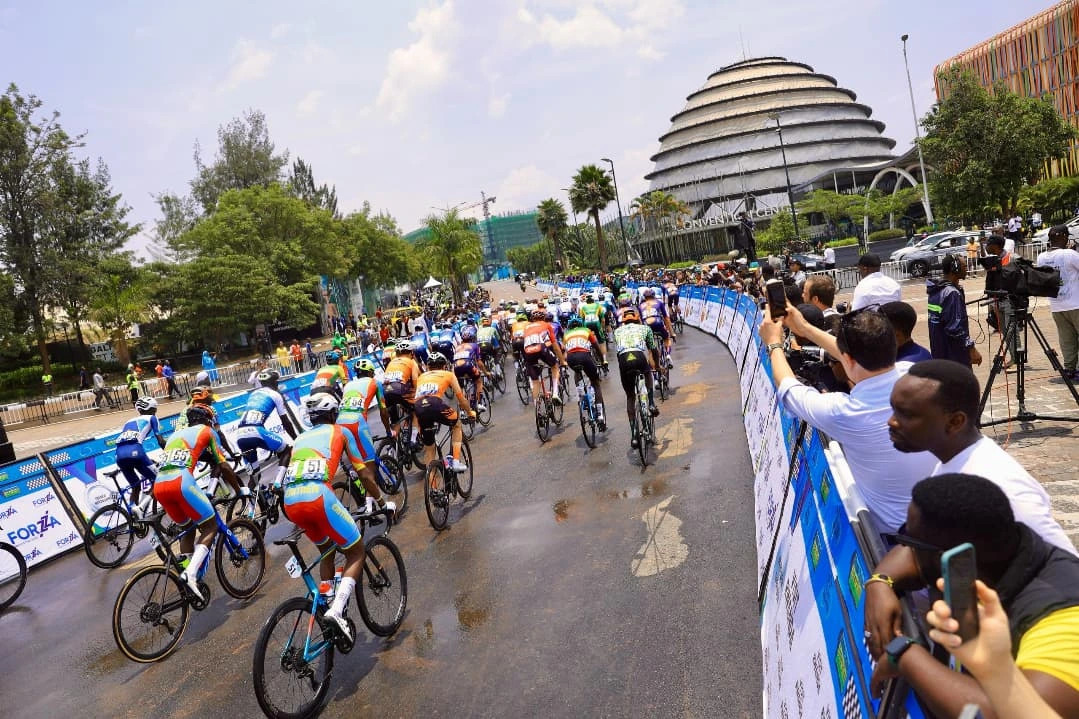
The 2026 footage showcases the pristine, plastic-free streets of Kigali, the lush green tea plantations of the West, and the world-class infrastructure that makes this the safest and cleanest cycling environment in Africa. It’s a source of immense national pride, a way for Rwandans to say, “This is who we are now.”
6. The “Africa’s turn” momentum
For decades, professional cycling was a closed-off European club. The Tour du Rwanda changed that narrative. As the premier stage for African talent, this race is where the next global stars, like Samuel Niyonkuru or Henok Mulubrhan, prove they belong on the world stage.
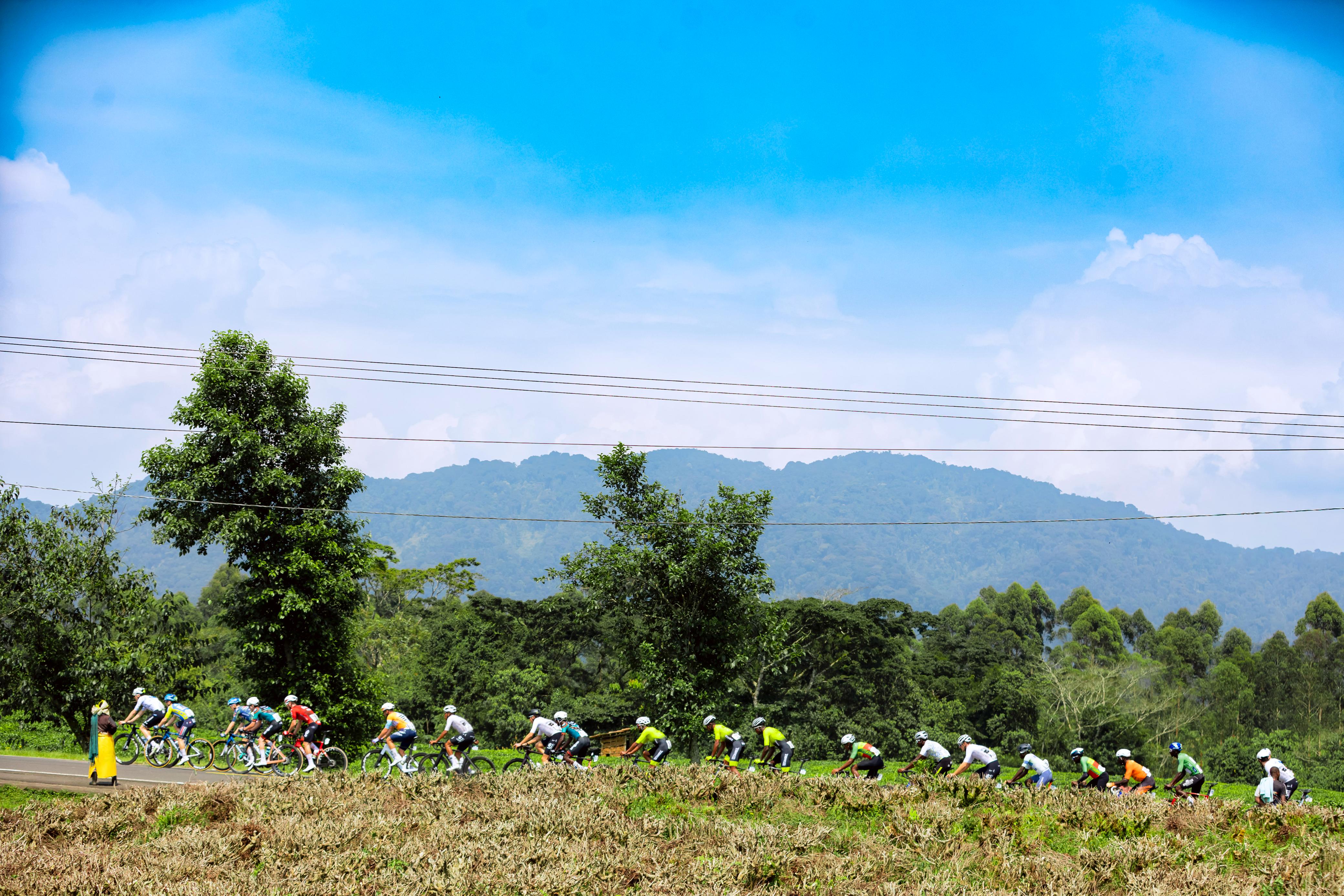
In the wake of the 2025 UCI World Championships, the 2026 Tour feels like the start of a new era. It’s no longer about hosting a race; it’s about owning the sport. For every kid on the side of the road in Rubavu or Gicumbi watching the peloton fly by, that bike represents a path to the world stage.
Leave a Reply