On a quiet afternoon in Kigali, the sound of traffic softens behind high compound walls. Inside, canvases lean against brick exteriors, paint dries in the sun, and artists move between studios with brushes still in hand. In a restored villa across town, visitors pause in front of layered abstract works, debating texture and meaning. Not far away, curators arrange lighting for an upcoming contemporary exhibition, fine-tuning how each piece will be encountered.
These are not isolated pockets of creativity. They are signs of a city steadily constructing its cultural identity.
Over the past decade, and more visibly in recent years, Kigali has developed a confident and increasingly structured contemporary art ecosystem. What began as collective studios driven by experimentation has expanded into a network that includes museums, research-based institutes, socially driven galleries, photography centres and private collector spaces.
Here are 10 art spaces at the heart of that transformation.
1. Inema Art Centre
More than a gallery, Inema, situated in the Kacyiru neighbourhood, functions as a living studio complex. Founded by brothers Emmanuel Nkuranga and Innocent Nkurunziza, the centre helped redefine what professional art practice could look like in Kigali.
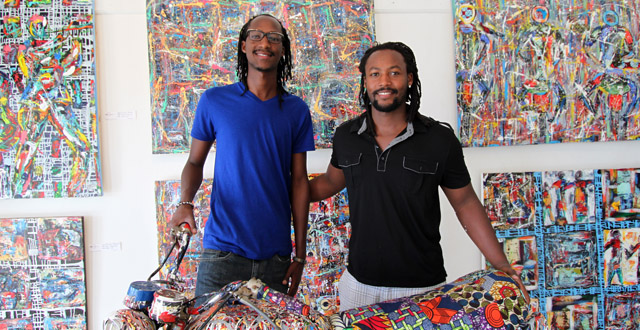
Visitors rarely encounter a silent, static space. Instead, they find artists actively working on large-scale canvases characterised by bold colour palettes, textured layers and recurring motifs that draw from Rwandan daily life. The centre regularly hosts themed exhibitions, dance performances, poetry evenings and workshops for young creatives.
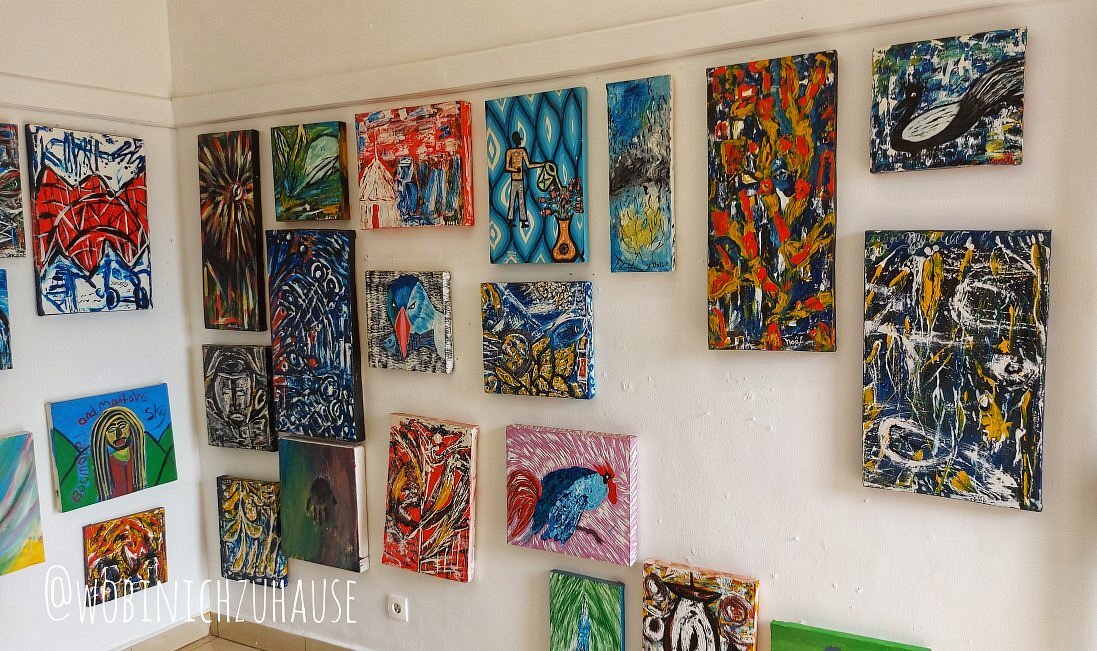
Inema’s impact lies not only in the artwork it produces, but in how it normalised the idea that contemporary art could be visible, collaborative and commercially viable within Rwanda.
2. Ivuka Art
As Rwanda’s first contemporary art collective, Ivuka Arts, situated in Kacyiru, represents the roots of Kigali’s modern art movement. Its open compound model, where artists share space, critique each other’s work and collaborate across mediums, created an early support system in an otherwise limited infrastructure.
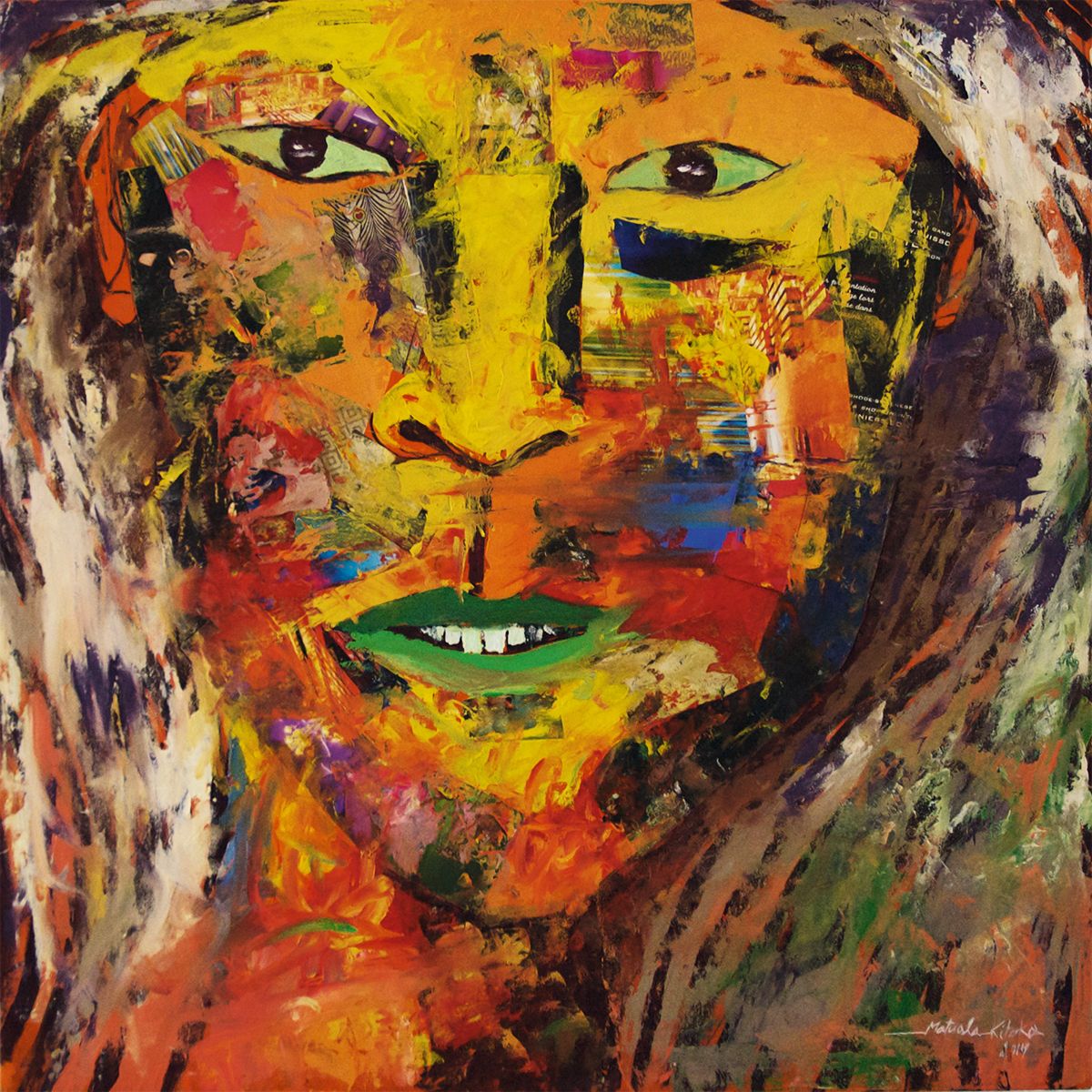
The space is known for its colourful murals and sculpture installations that spill into outdoor areas, blurring the line between exhibition and environment. Ivuka fostered experimentation at a time when contemporary art was still gaining recognition locally, helping shape a generation of artists who would later exhibit regionally and internationally.
3. Rwanda Art Museum
Set within the former Presidential Palace in Kanombe, the Rwanda Art Museum offers one of the most layered art experiences in the country. The building itself carries political history, and the preserved wreckage of the presidential plane in the garden serves as a reminder of the nation’s past.
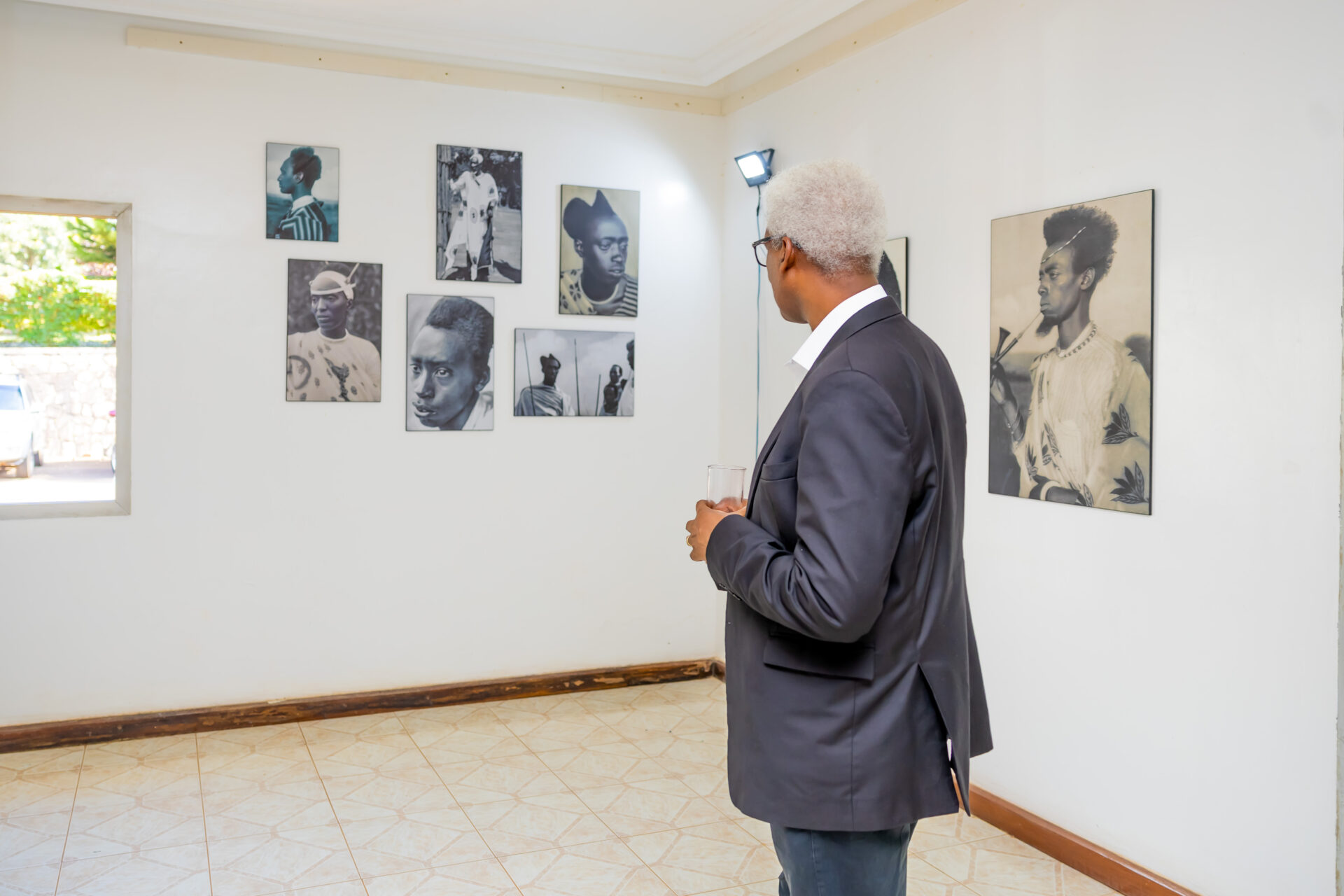
Inside, the museum houses more than 120 works by over 50 artists, providing a structured overview of Rwanda’s visual art evolution. The collection spans painting and sculpture, capturing shifts in style, subject matter and technique over time. Unlike studio spaces, the museum offers institutional framing, placing contemporary Rwandan art within a curated historical narrative.
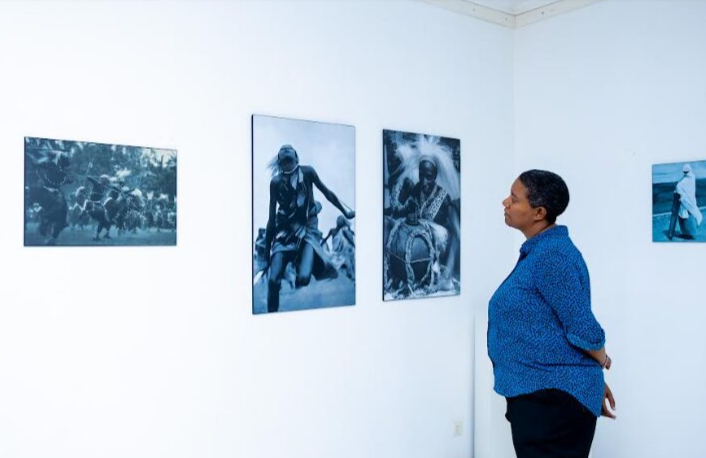
4. Gihanga Institute of Contemporary Art(GICA)
Opened in December 2025, the Gihanga Institute of Contemporary Art (GICA) represents a decisive step toward institutional maturity in Rwanda.
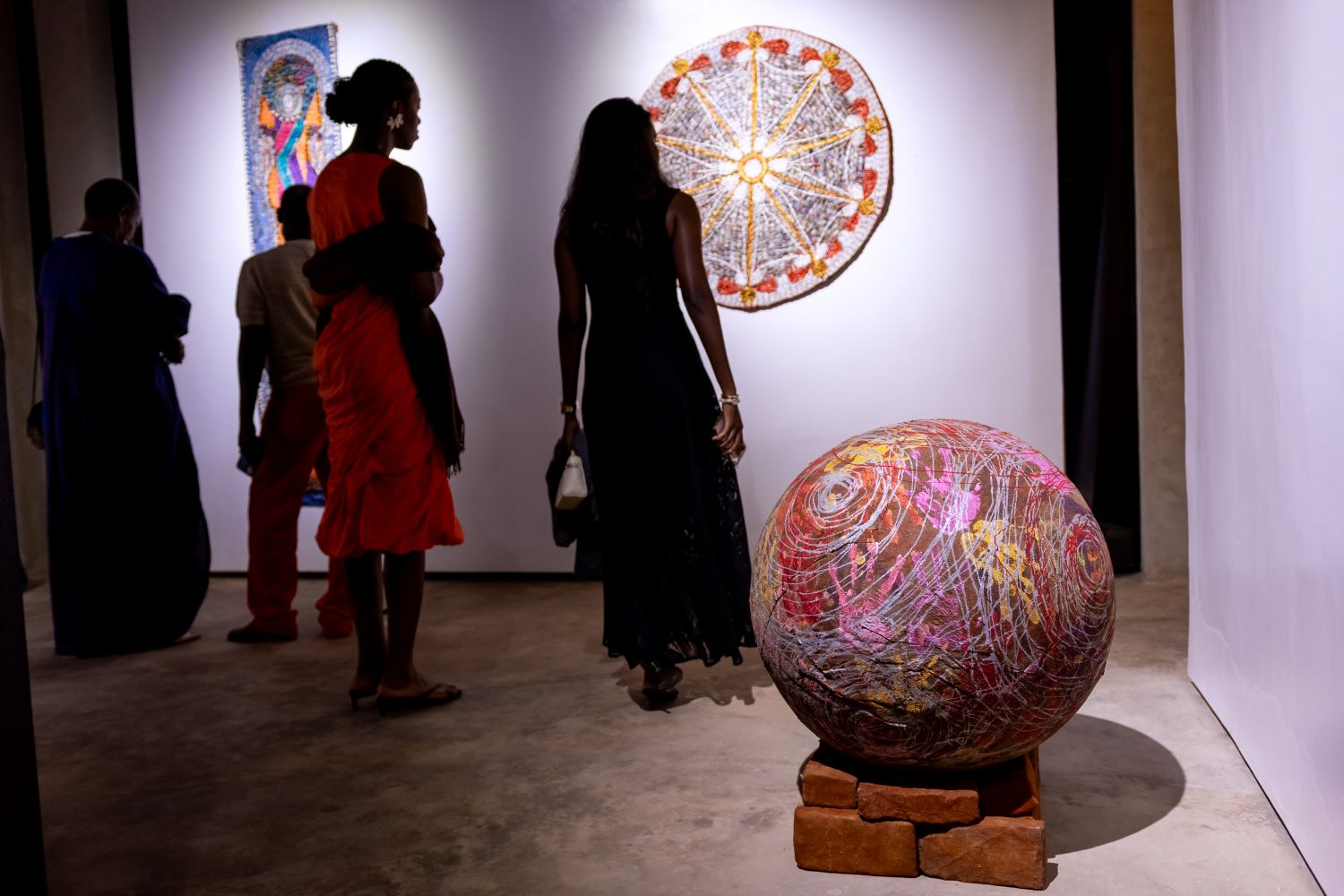
Situated in Kimihurura, GICA is the country’s first independent, non-profit center dedicated to high-end contemporary art and Pan-African exchange.
Co-founded by international curator Kami Gahiga and artist Kaneza Schaal, the 777-square-meter facility, designed by architect Amin Gafaranga, moves beyond exhibition alone. It functions as a complete ecosystem, integrating curated shows with a reference library curated by Christian Nyampeta, a screening room, and artist residency studios.
Its inaugural exhibition, Inuma: A Bird Shall Carry the Voice, featured world-class talent and underscored a multidisciplinary mission that positions Kigali as a rigorous hub for global art dialogue and structured cultural infrastructure.
5. Niyo Art Gallery
At Niyo Art Gallery in Kacyiru, artistic production is directly tied to social impact. Founded by Pacifique Niyonsenga, the gallery operates as a social enterprise supporting vulnerable children through education and creative training funded by art sales.
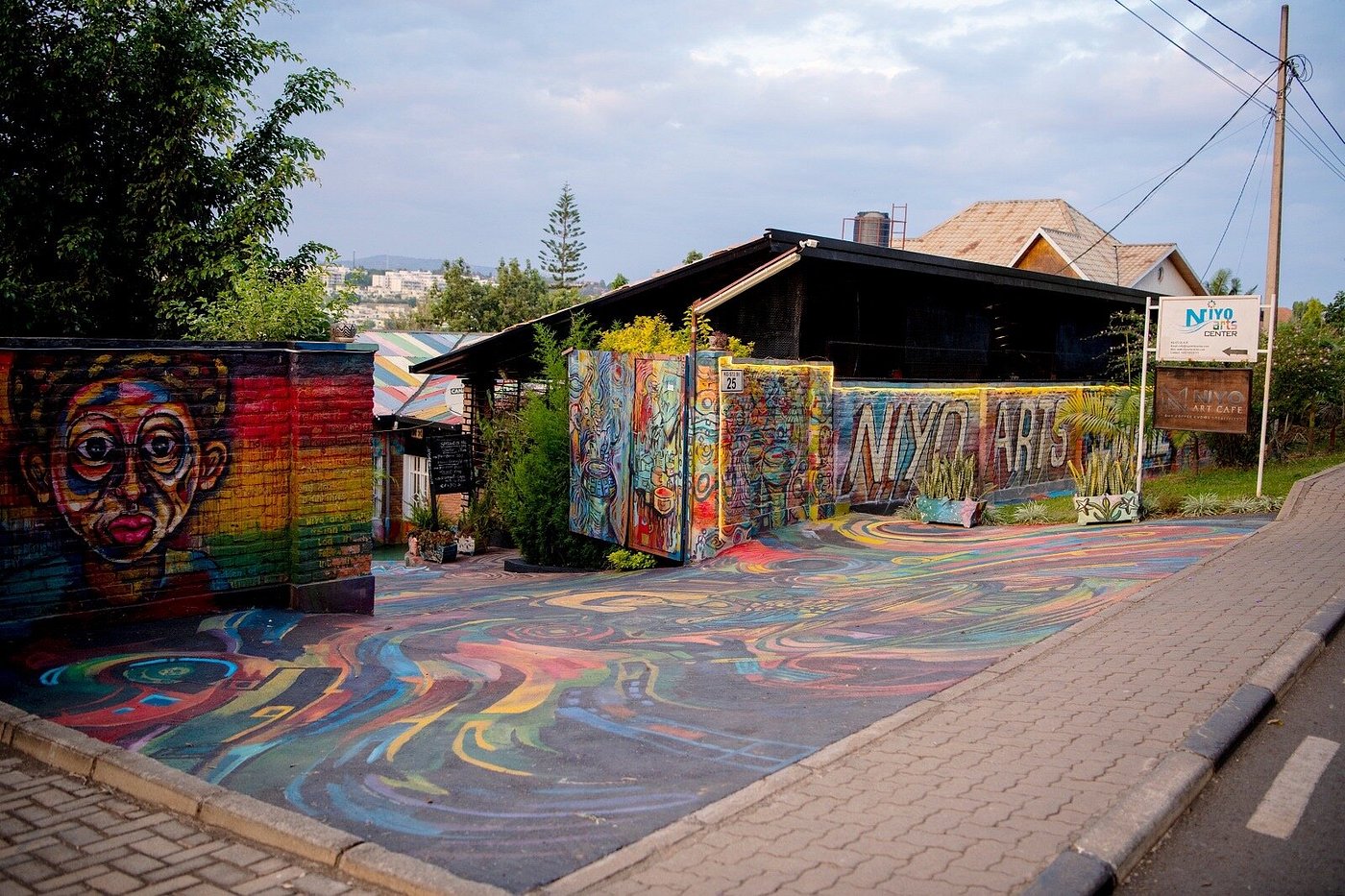
The artwork displayed often reflects scenes of rural and urban Rwandan life, rendered in vibrant tones and layered textures. The gallery doubles as a learning space, where young artists receive mentorship and exposure. Here, art functions as both livelihood and opportunity, reinforcing its social dimension within Kigali’s ecosystem.
6. Tongo Art Gallery
Tongo Art Gallery, located in Kacyiru, offers a quieter but deeply engaging experience. Known for abstract and mixed-media works, it provides space for experimentation in form and technique.
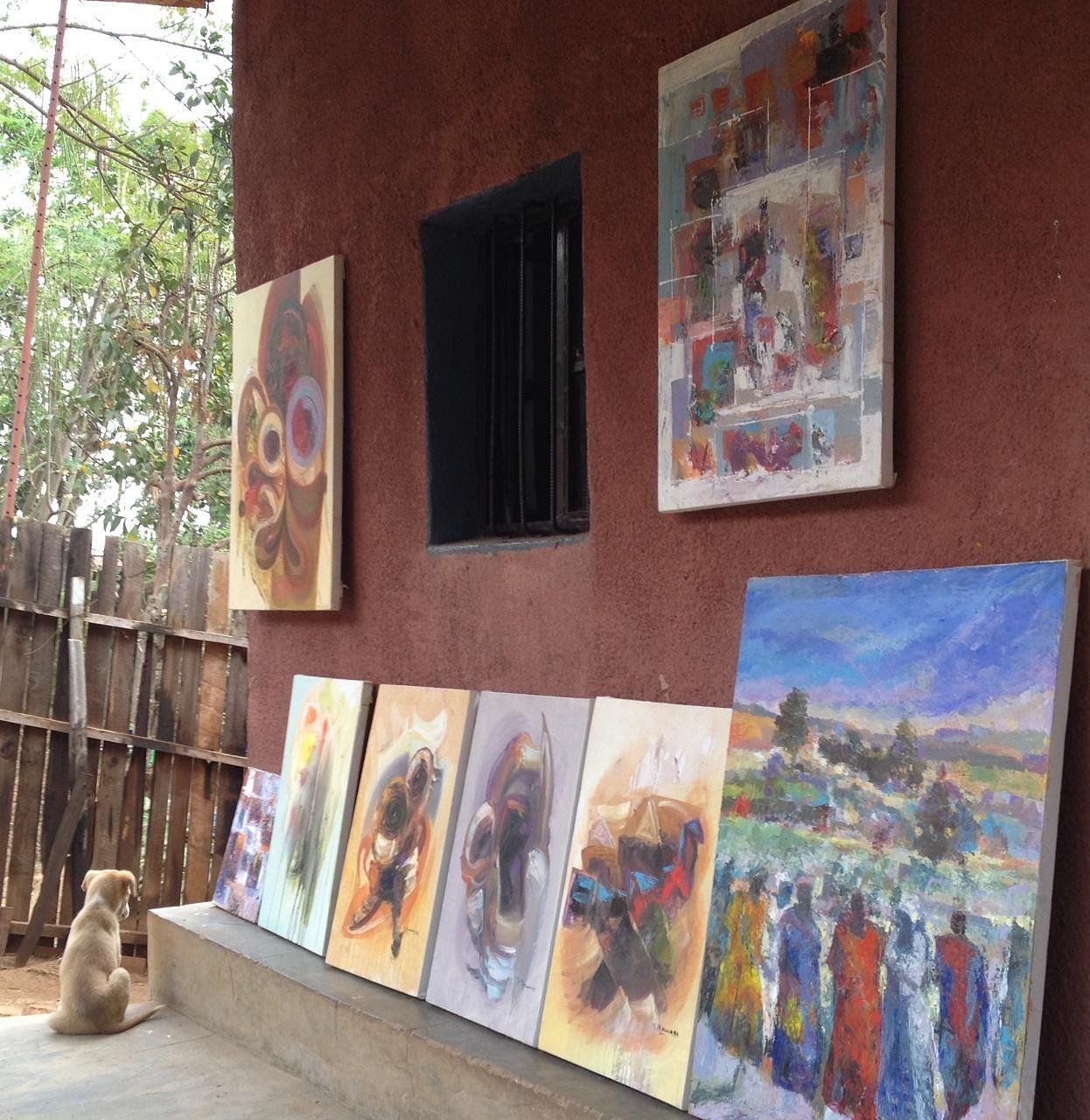
Exhibitions often rotate, allowing emerging and mid-career artists to test new ideas before an intimate audience. Live painting sessions and pop-up events keep the space fluid. Tongo’s strength lies in its accessibility; conversations between artists and visitors unfold naturally, demystifying the creative process.
7. Indiba Art Space
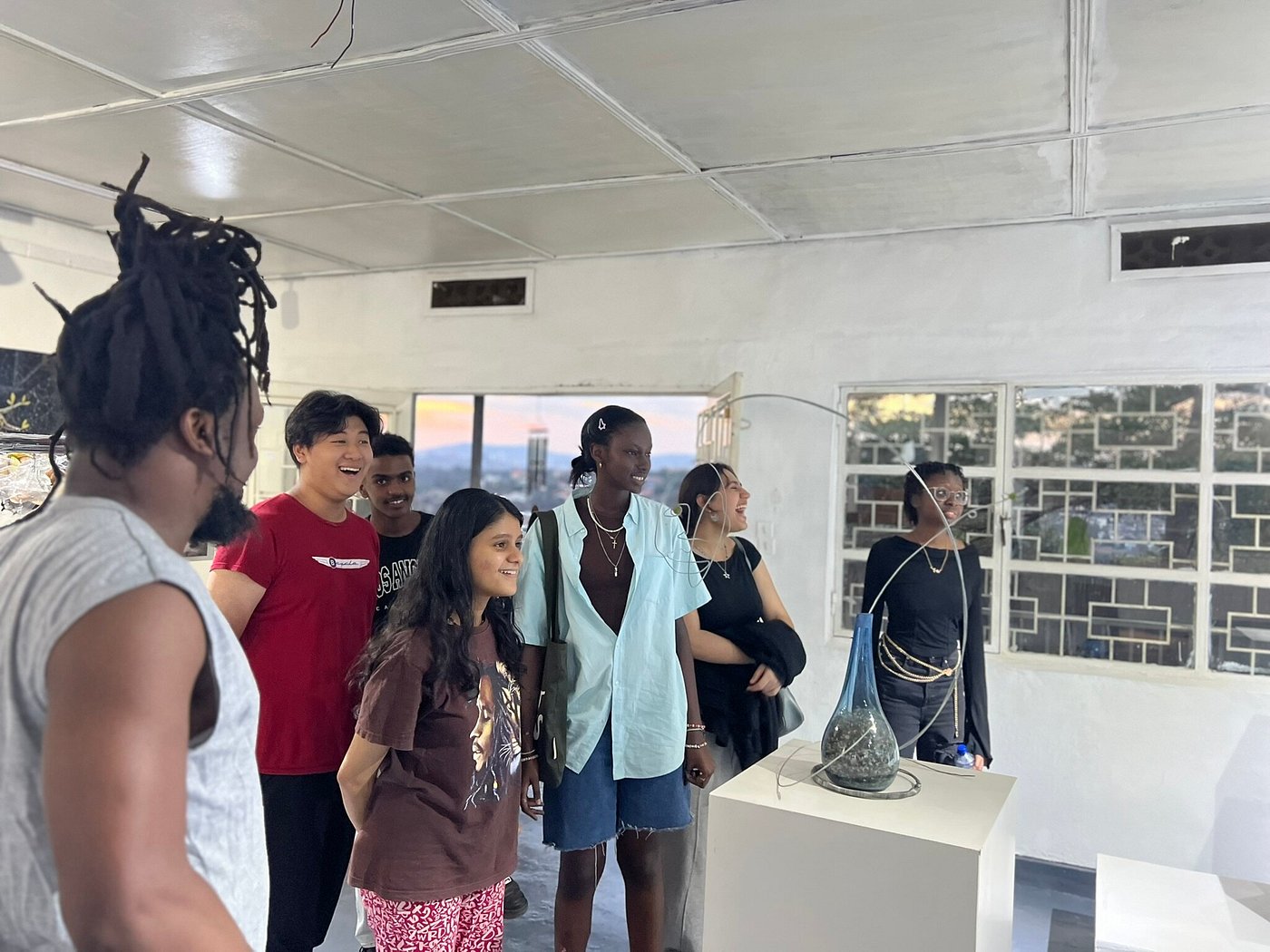
Indiba Art Space, nestled in the vibrant neighbourhood of Kimihurura, leans toward carefully curated exhibitions that explore identity, heritage and contemporary urban life. The gallery’s programming often includes workshops and discussions, reinforcing its role as more than a display venue.
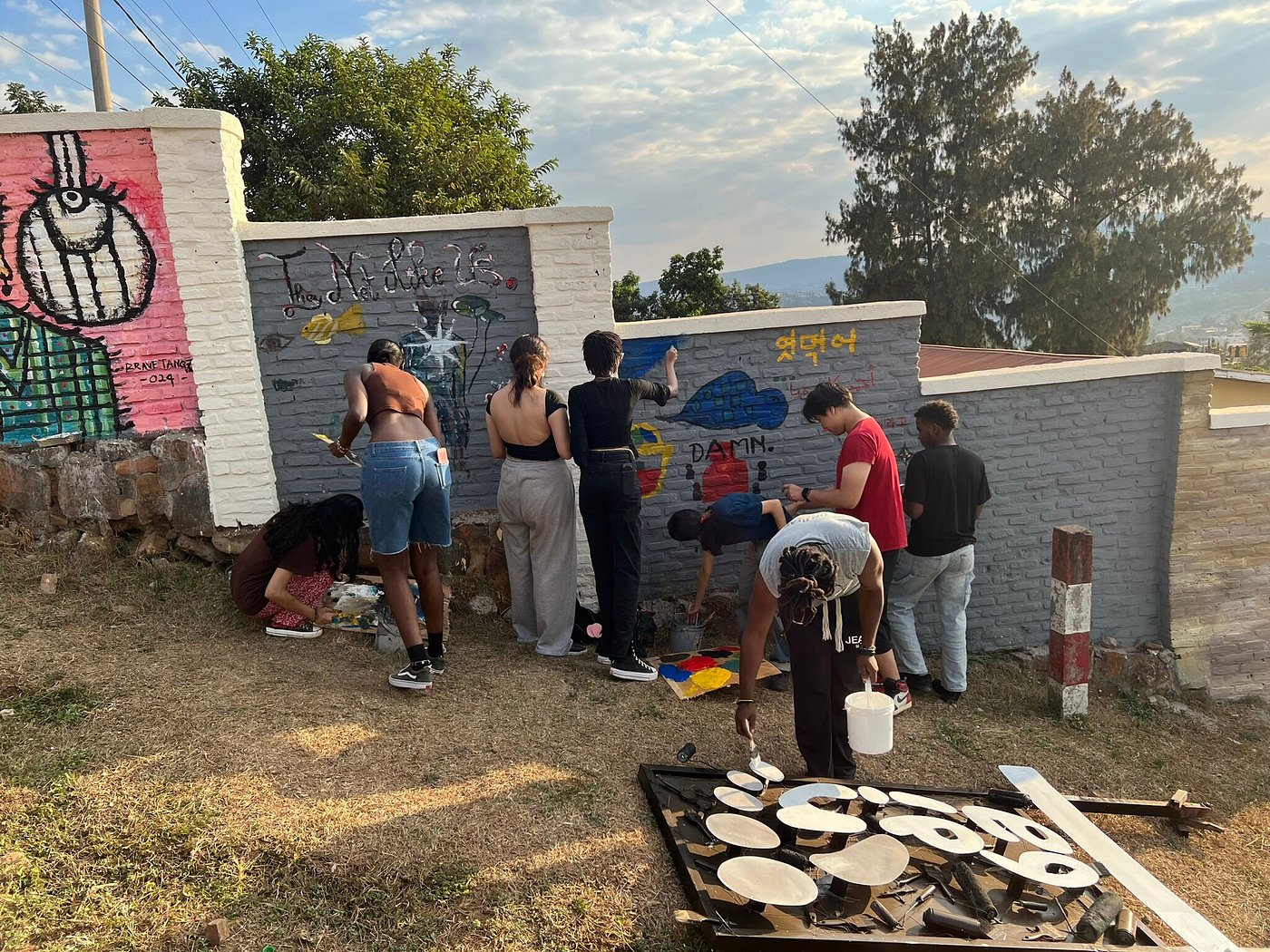
Works presented at Indiba frequently engage with memory and transformation, reflecting Rwanda’s rapid social and economic evolution. The gallery contributes to a growing culture of critical engagement around art in Kigali.
8. Choose Kigali
Choose Kigali introduces a different model, merging contemporary art with high-end dining. Founded by Emmanuel Nkuranga, the space located in the Kiyovu neighbourhood caters to collectors and patrons seeking a more exclusive setting.
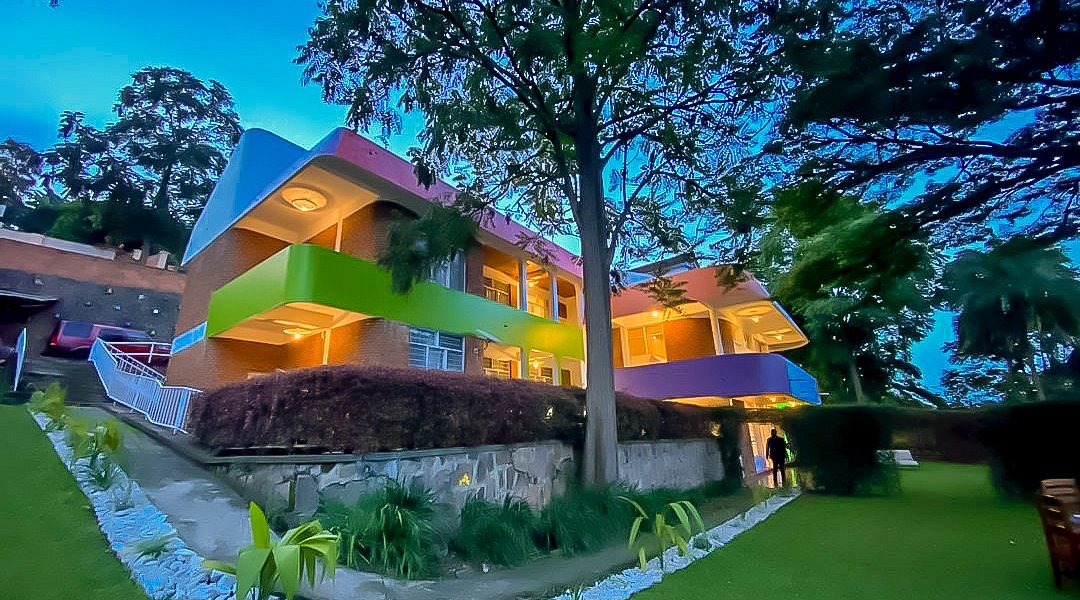
Artworks are displayed within a refined interior, encouraging slower viewing and private acquisition. This hybrid concept reflects the expanding commercial dimension of Kigali’s art scene and the rise of a discerning local and international clientele.
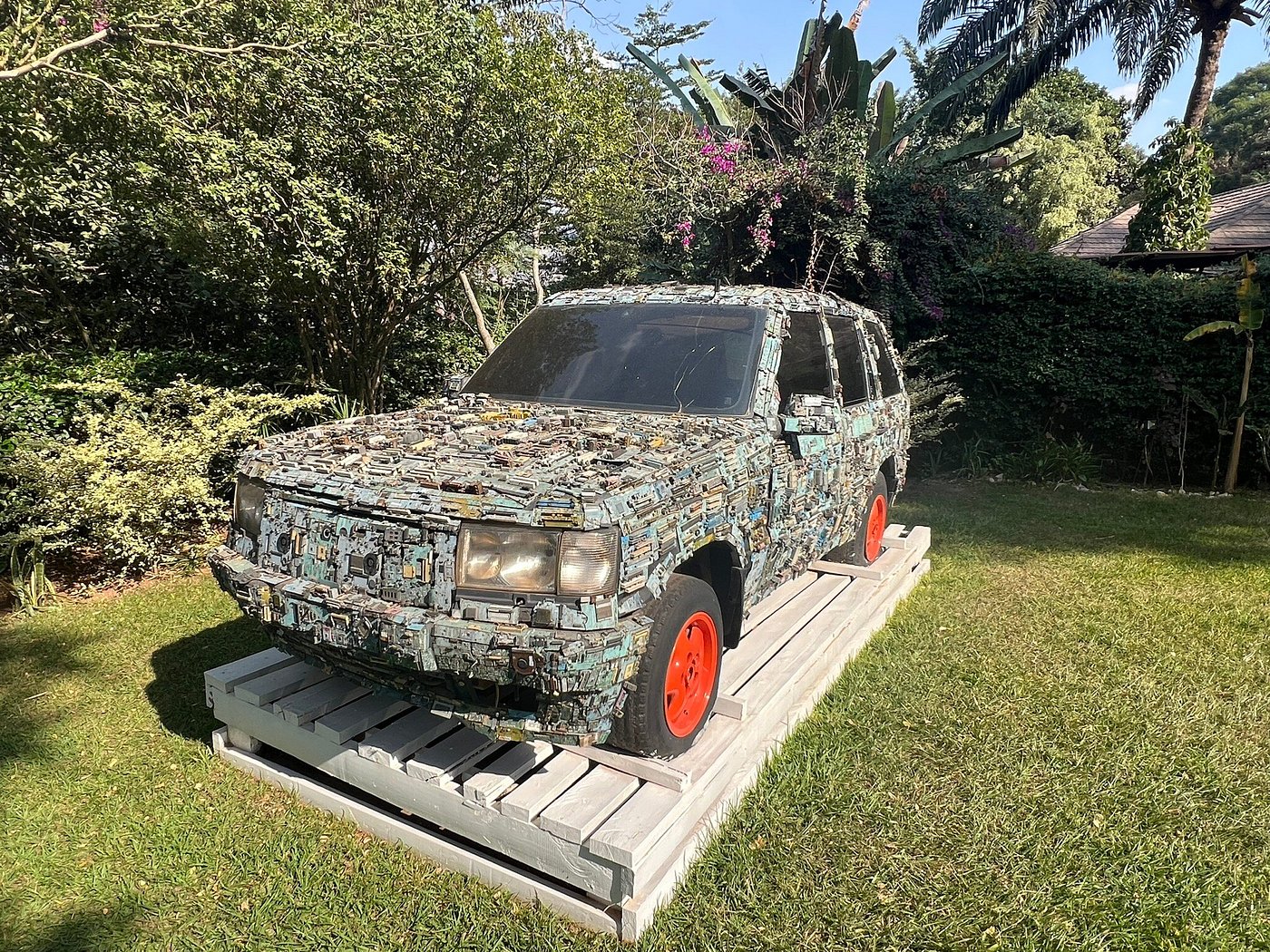
9. Kigali Center for Photography
While painting dominates much of the city’s gallery landscape, the Kigali Center for Photography (KCP), situated in the creative heart of Kimihurura, anchors a different visual medium.
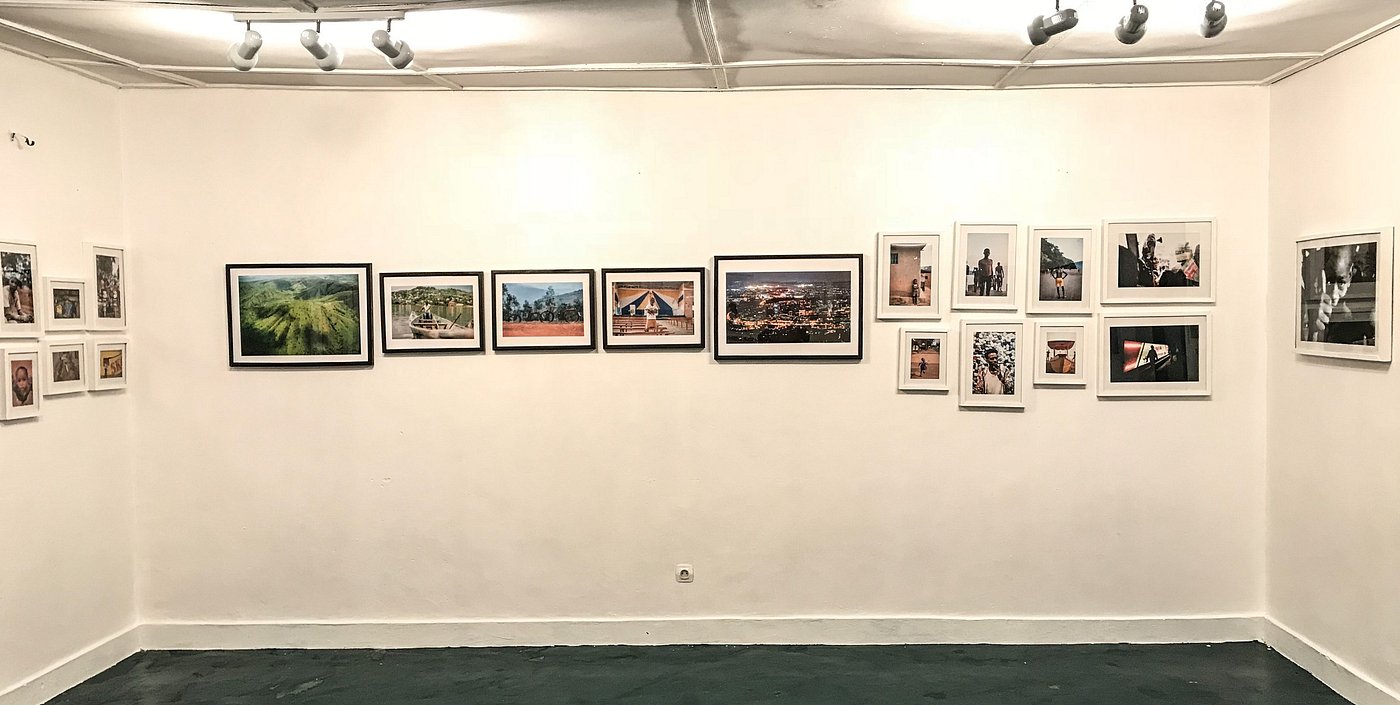
As the first dedicated space of its kind in Rwanda, the center prioritizes visual storytelling as a tool for social change and historical preservation. Beyond its gallery walls, KCP serves as a vibrant ‘learning lab’ where founder Jacques Nkinzingabo and local mentors provide free workshops, equipment access, and residencies for emerging talent.
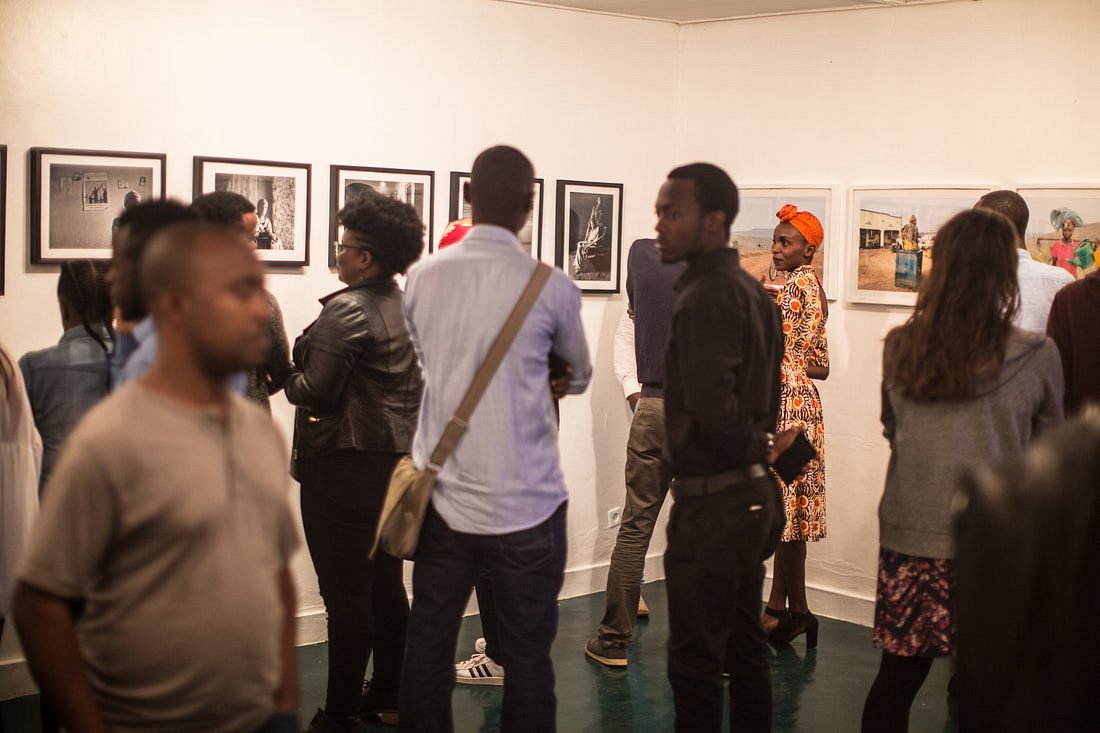
By focusing on documentary and artistic photography, the center actively works to reclaim the Rwandan narrative, shifting the lens away from past trauma toward a multifaceted view of contemporary identity, resilience, and daily life.
10. Inkingi Arts Space
Inkingi, which translates to “pillar” or “support” in Kinyarwanda, lives up to its name by serving as a foundational space for both established and emerging artists.
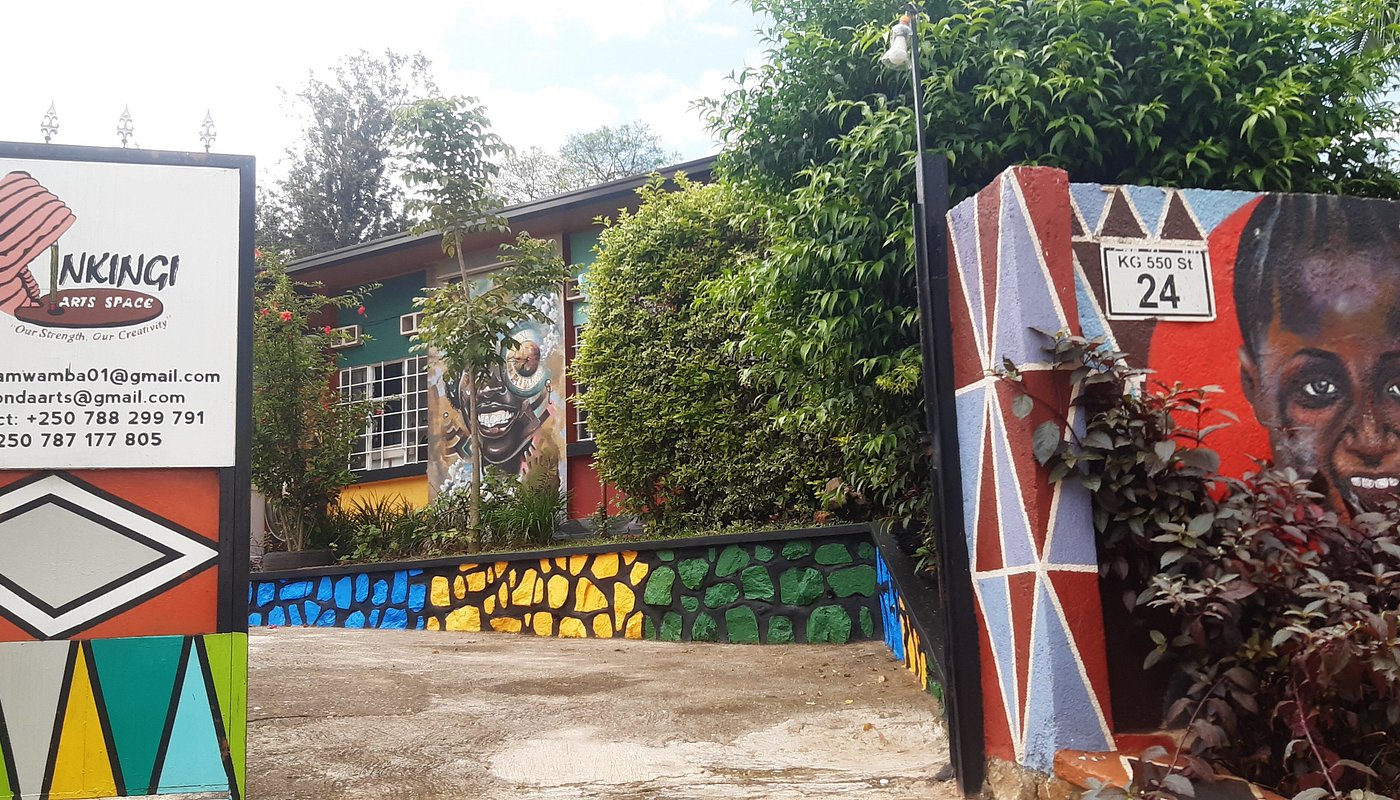
Founded in 2023 by Olivier Kwitonda and located in Kacyiru, the gallery exudes a distinct atmosphere that feels more like an intimate garden sanctuary than a bustling, high‑traffic space.
Nestled within a lush, green compound, Inkingi is incredibly photogenic and welcoming. Like Inema, it functions as an active studio where visitors can often meet the artists at work, and many guests describe the hospitality here as among the warmest in Kigali, making every visit feel personal and engaging.
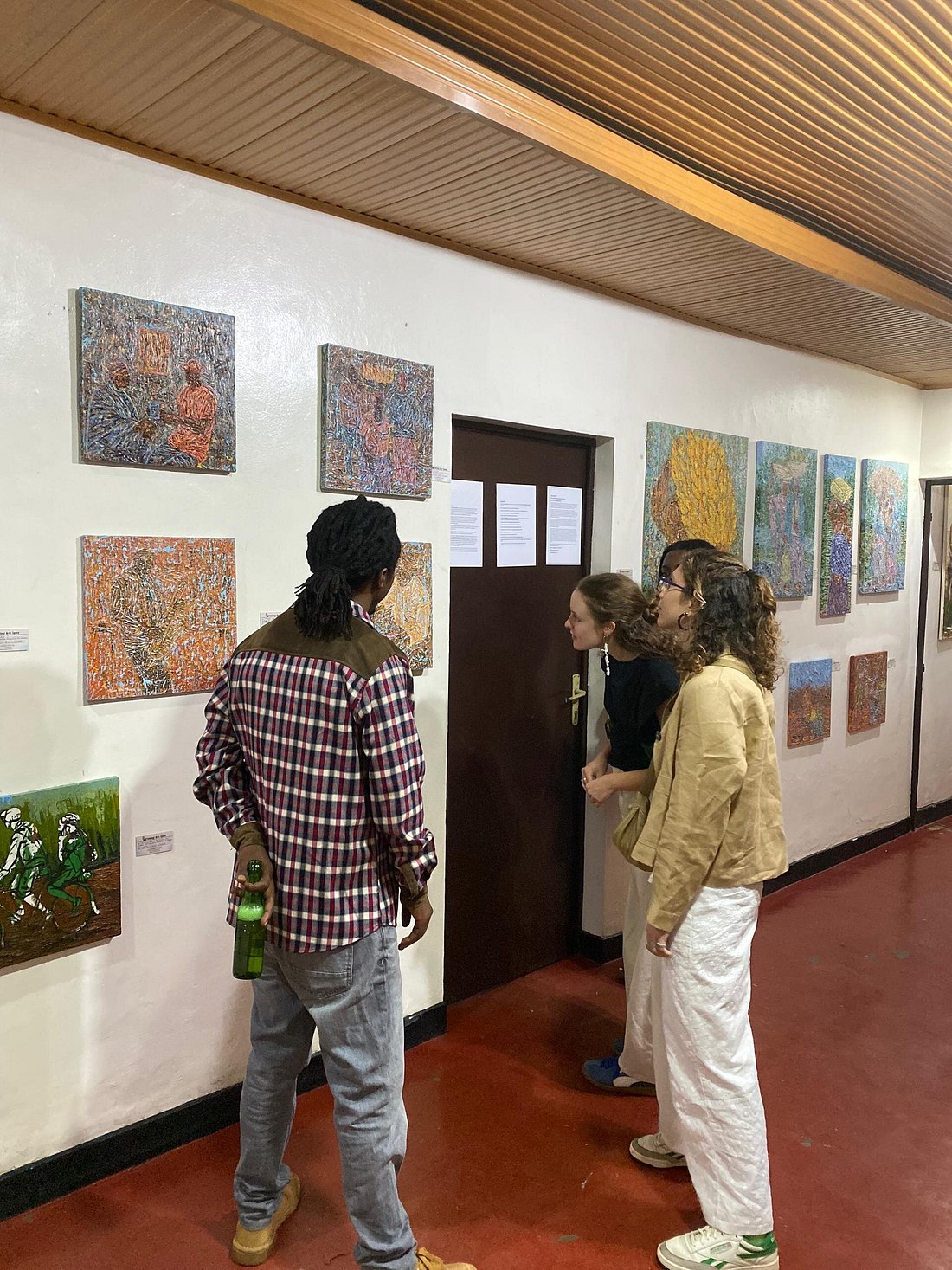
While bold acrylic paintings, a hallmark of Rwandan contemporary art, are on display, Inkingi distinguishes itself through diversity. Visitors encounter a mix of paintings, sculptures, intricate beadwork, and textiles, reflecting a wide range of creative practices.
The gallery also offers a strong connection to Rwanda’s cultural heritage. Every third Saturday of the month, storytelling sessions are paired with traditional food, allowing guests to engage with the country’s oral traditions while surrounded by modern visual interpretations of those same stories. In this way, Inkingi bridges the gap between heritage and contemporary expression, creating a space that is both reflective and forward-looking.
Leave a Reply