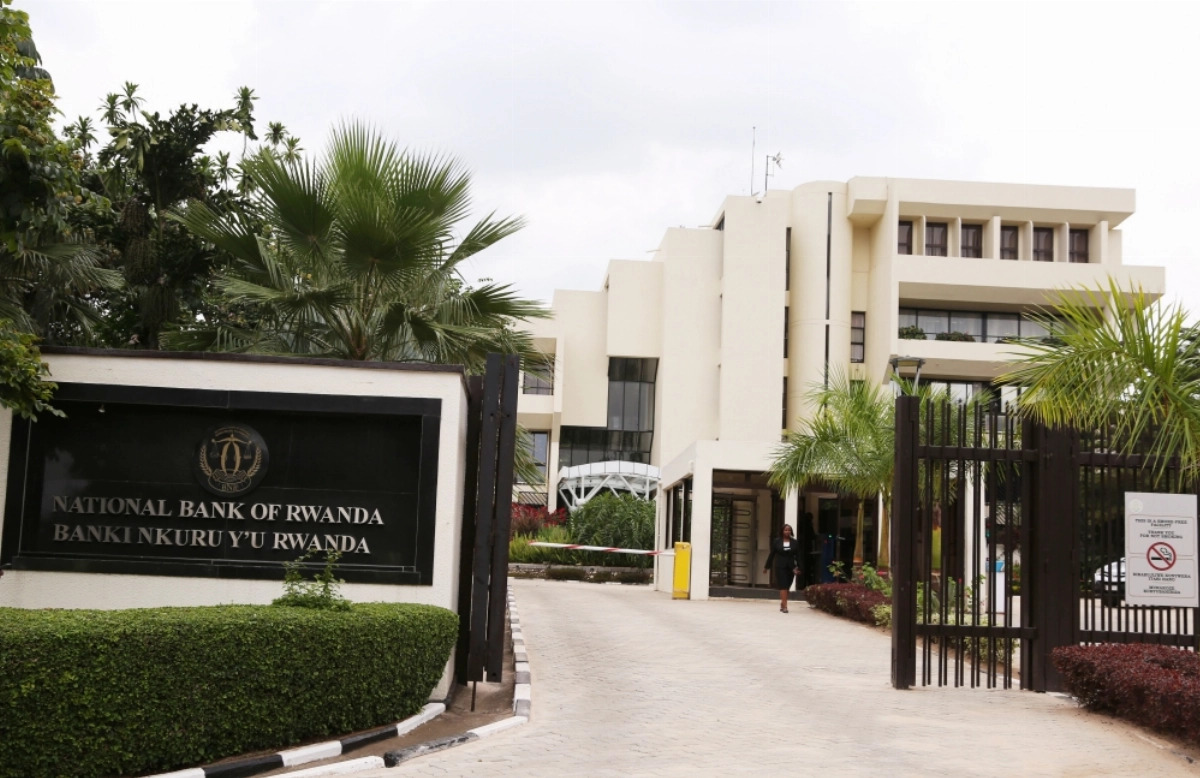
NBR Governor Soraya Hakuziyaremye announced the decision on Thursday, February 19, following a meeting of the Monetary Policy Committee (MPC) on Wednesday, which reviewed recent domestic and international economic developments and updated the country’s economic projections.
Inflation in Rwanda increased to 8.9 percent in January 2026, up from 8.0 percent in December 2025, exceeding the Central Bank’s target range of 2–8 percent.
The rise, the central bank boss said, has been driven largely by higher energy costs, electricity tariffs, fuel prices, and supply constraints on fresh food, particularly vegetables affected by below-normal rainfall.
“The Monetary Policy Committee has decided to increase the Central Bank Rate to 7.25 percent to limit second-round effects of recent price increases and support a timely return of inflation to the target range,” she stated.
The governor noted that headline inflation is expected to remain slightly above 8 percent in the first half of 2026, before easing toward the target band by the end of the year.
“The MPC will continue to closely monitor economic developments and the inflation outlook. Should the highlighted risks materialize, we will assess the need for further policy adjustments to ensure inflation converges to the target range over the medium term,” Governor Hakuziyaremye added.
Despite inflationary pressures, Rwanda’s economy continues to perform strongly. The country recorded an average growth of 8.7 percent during the first three quarters of 2025, with the Composite Index of Economic Activity (CIEA) rising 17.1 percent in the fourth quarter.
Merchandise exports grew by 14.1 percent, supported by traditional exports such as coffee and minerals, while non-traditional exports, including processed cooking oil and wheat flour, also recorded notable gains.
The Rwandan franc showed signs of stabilisation in 2025, with depreciation slowing to 4.4 percent from 9.42 percent in 2024, thanks to stronger tourism receipts, increased remittances, and domestic foreign exchange reforms.
In the financial sector, Rwanda continues to demonstrate resilience. Credit institutions, insurance companies, and microfinance institutions maintained strong capital and liquidity positions, while the consolidated loan book of the banking sector grew by 28.5 percent to reach Rwf 6.8 trillion as of December 2025. Non-performing loans remained low at 2.5 percent, within regulatory limits.

Leave a Reply