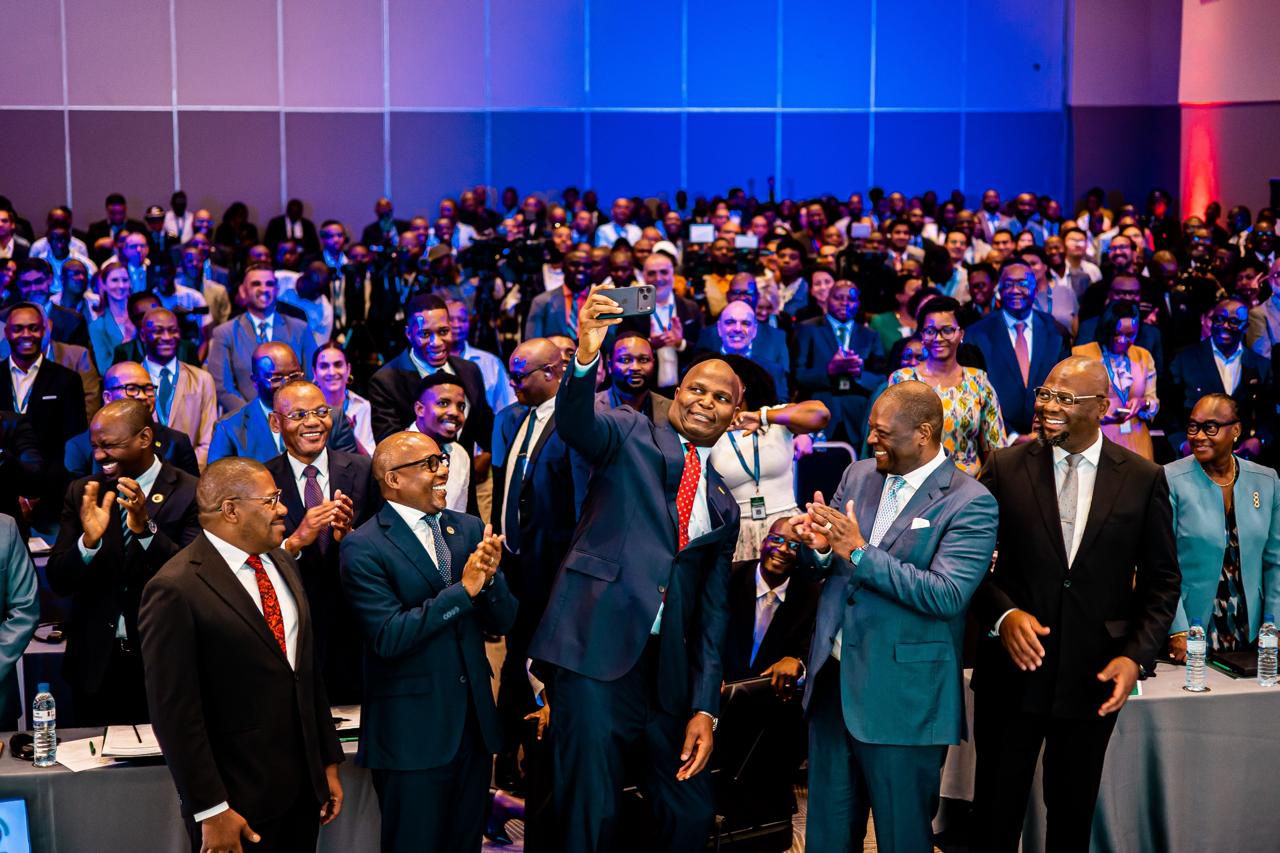
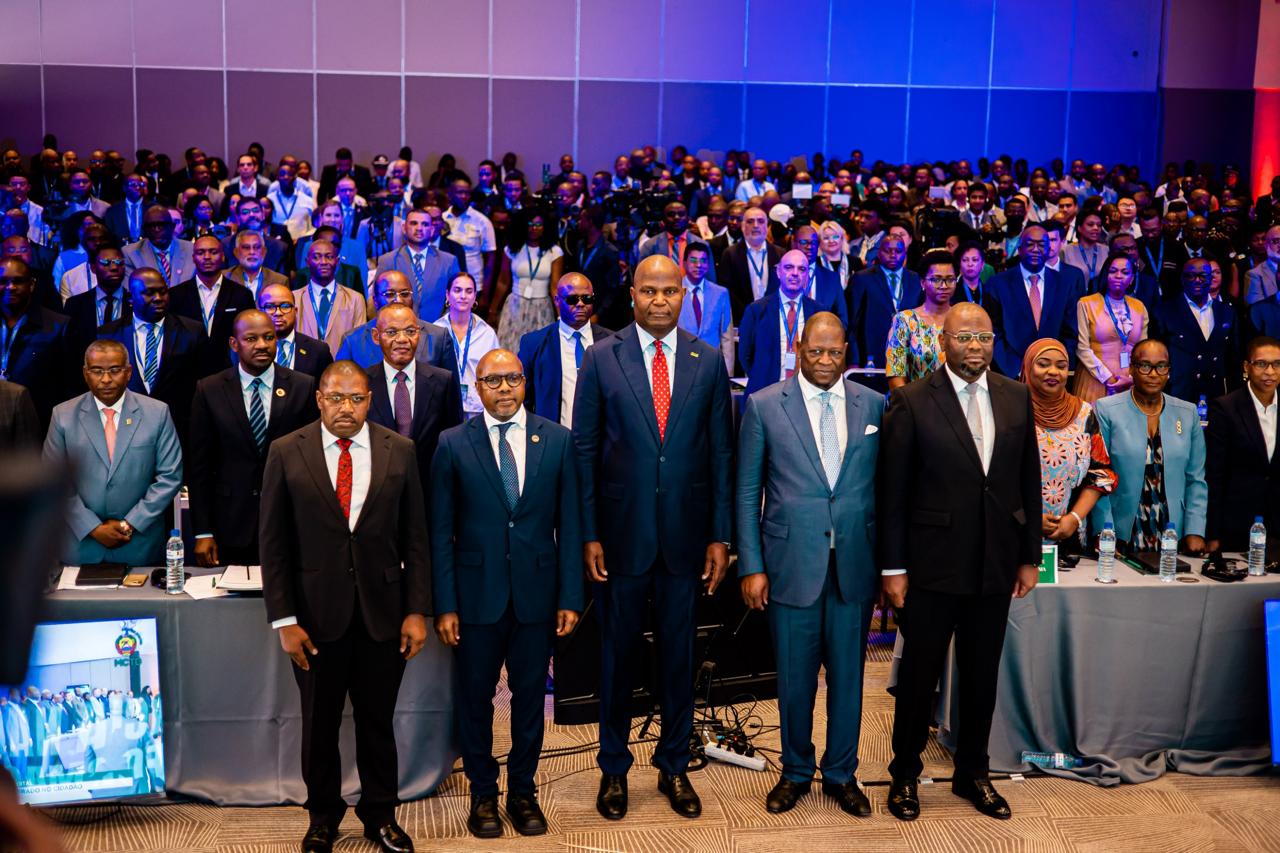
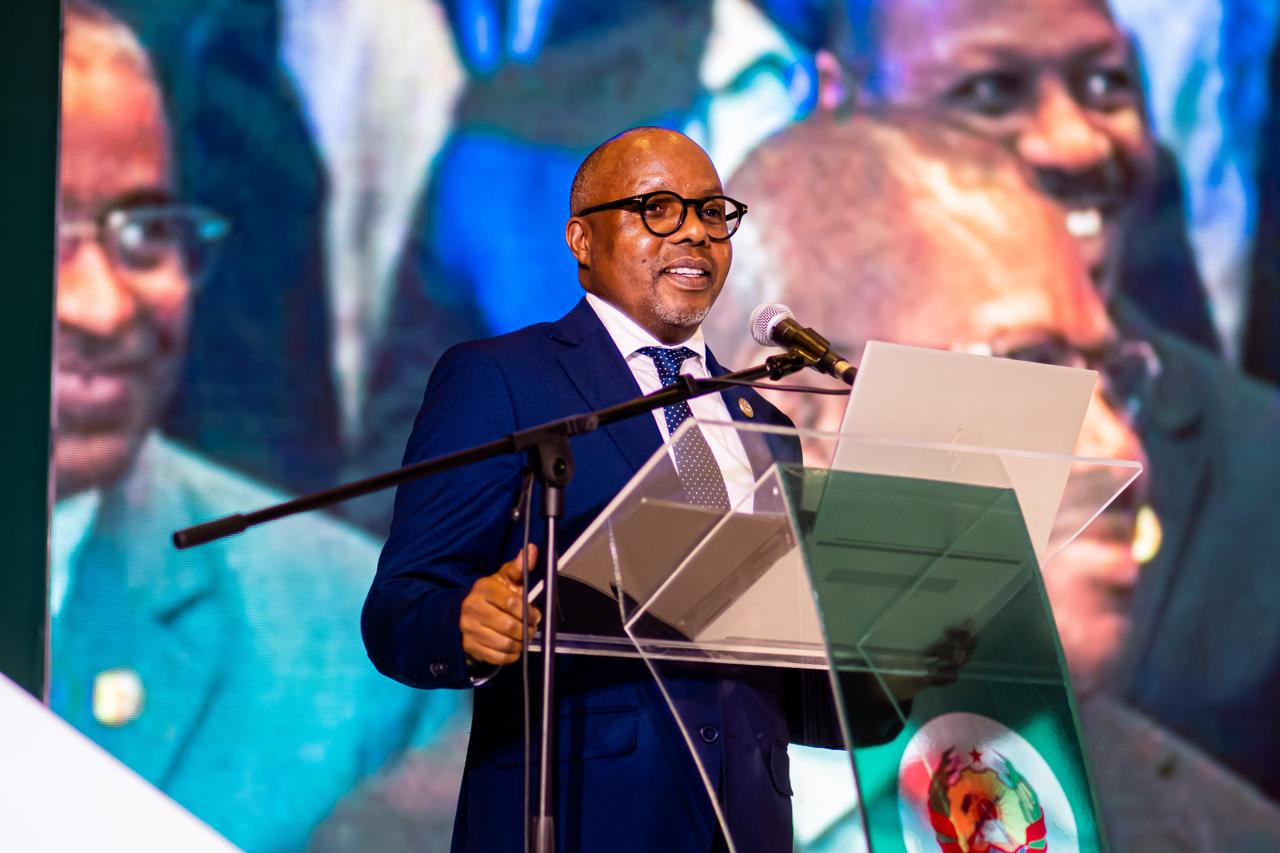
Speaking at the country’s First National Conference on Digital Transformation in Maputo last week, President Daniel Francisco Chapo framed digitalisation as a governance reform rather than a purely technological upgrade.
“Countries are not transformed only with physical infrastructure. They are also transformed through digital infrastructure that connects citizens to the State and to opportunity,” he said.
At the heart of the initiative is the creation of a Multi-Sector Technical Commission on Digital Services, tasked with delivering a national roadmap for integrating public digital systems by mid-2026. The Commission will map existing platforms, promote interoperability, eliminate duplication, and define a strategy for a fully connected government.
President Chapo acknowledged that fragmentation across government institutions—such as separate databases and non-communicating systems—creates inefficiencies and administrative burdens.
“There must be no technological islands within the State,” he said.
The reform aims to enable citizens and businesses to access services such as identity documentation, licensing, tax payments, and business registration remotely through interoperable platforms and a central Citizen Portal.
Officials say digital integration could reduce bureaucratic delays, improve transparency, and strengthen Mozambique’s investment climate, a key priority as the country seeks to expand private-sector participation and align with regional digital trade frameworks under the African Continental Free Trade Area (AfCFTA).
Mozambique has already established a dedicated Ministry of Communications and Digital Transformation, consolidating institutional leadership of the digital agenda. The initiative comes amid recent floods affecting several provinces, with President Chapo noting that digital platforms are vital for disaster preparedness, early warning systems, and secure preservation of administrative records.
“Yesterday, independence was measured by control of territory. Today, it is also measured by the ability to govern the digital space,” President Chapo said, framing digital transformation as a pillar of national sovereignty.
The conference also saw the unveiling of a new electronic visa (e-Visa) platform, which allows remote applications and faster processing to streamline entry, boost tourism, and improve the ease of doing business.
Mozambique’s “one-click” ambition reflects a broader effort to learn from successful ICT integration models in Africa, including Rwanda’s Irembo platform and Kenya’s M-Pesa system, which Mozambique has recently adopted to expand access to mobile money.
Last August, President Chapo visited Rwanda, including the Kigali Special Economic Zone, where he explored the country’s industrial, manufacturing, and business infrastructure and held discussions with President Paul Kagame on economic and technological cooperation.
“We want to move at the same pace as those ahead, learning from those who have done it already, understanding the challenges they faced and how they overcame them to bring about the same level of services that can be found in those countries,” said Mozambique’s Américo Muchanga, Minister of Communications and Digital Transformation, adding that tech companies from the region can compete for tenders to help transform the country.
While the digital reform signals strong political commitment, implementation will depend on institutional coordination, infrastructure expansion, digital literacy, and sustained financing. Mozambique’s internet penetration, rural connectivity gaps, and cybersecurity capacity remain structural factors that will influence the pace of transformation.
Leave a Reply